
Faulty or failed cavity wall insulation can lead to a range of problems, including increased energy bills, dampness, and mold growth. If you suspect that your insulation may be faulty, it’s important to take action to have it removed and replaced.
Understanding Cavity Wall Insulation
Before we delve into the reasons why you should get your insulation removed, let’s briefly understand what cavity wall insulation is. Cavity wall insulation is a common home improvement measure that involves filling the gap between the inner and outer walls of a property with insulating material. This helps to reduce heat loss and lower energy bills.
However, if cavity wall insulation is not installed correctly or if the materials degrade over time, it can become ineffective and even cause problems.
Reasons to Get Your Insulation Removed
1. Increased Energy Bills
One of the most obvious signs of faulty or failed cavity wall insulation is an increase in your energy bills. If you’re spending more on heating and cooling your home than you used to, it could be a sign that your insulation is not performing as it should.
2. Dampness and Mold Growth
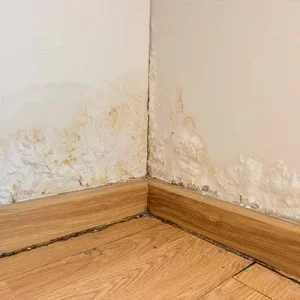
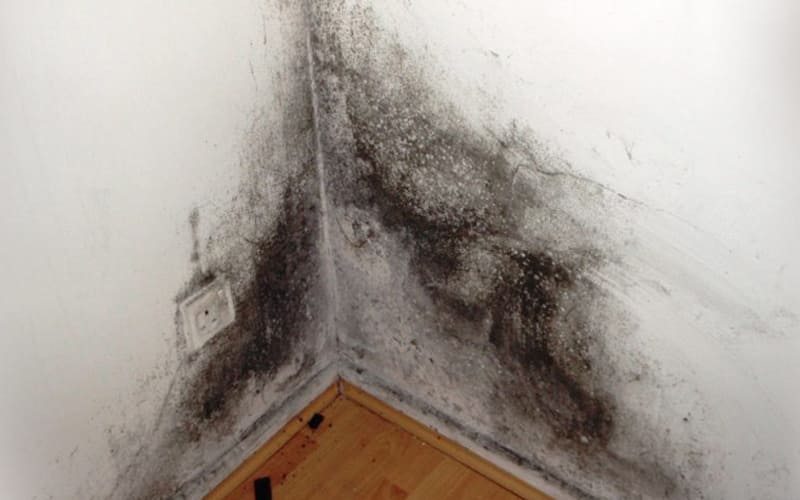
Faulty or failed insulation can trap moisture in your walls, leading to dampness and mold growth. This can cause health problems, such as respiratory issues, allergies, and asthma. It can also damage your property and reduce its value.
3. Structural Damage
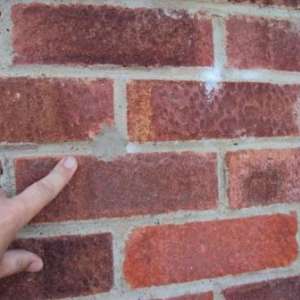
Over time, dampness caused by faulty insulation can lead to structural damage. This can include cracks in the plaster or brickwork, or even sagging walls.
4. Reduced Comfort
Faulty or failed insulation can make your home uncomfortable. You may experience cold spots or drafts, and your home may feel drafty and difficult to heat.
5. Increased Maintenance Costs
Faulty or failed insulation can lead to increased maintenance costs. For example, you may need to replace damaged wallpaper or paint, or repair structural damage.
6. Environmental Impact
Faulty or failed insulation can have a negative impact on the environment. If your insulation is leaking air, it can contribute to greenhouse gas emissions.
7. Safety Concerns
In some cases, faulty or failed insulation can pose a safety risk. For example, if the insulation is wet or moldy, it can create a fire hazard.
How to Determine if Your Insulation is Faulty or Failed
Here are some signs that your insulation may be faulty or failed:
- Increased energy bills
- Cold spots or drafts
- Damp patches or mold growth
- Peeling wallpaper or blistered paint
- Musty smells
- Condensation
- Structural damage
If you notice any of these signs, it’s important to have your insulation inspected by a professional.
The Benefits of Replacing Faulty or Failed Insulation
Replacing faulty or failed insulation can have many benefits, including:
- Reduced energy bills
- Improved comfort
- Improved indoor air quality
- Reduced risk of health problems
- Increased property value
- Reduced environmental impact
- Increased safety
How to Find a Reputable Insulation Installer
If you decide to replace your faulty or failed insulation, it’s important to find a reputable insulation installer. Here are some tips for finding a reputable installer:
- Ask for recommendations from friends, family, or neighbours.
- Check online reviews.
- Make sure the installer is a member of a professional organization, such as the National Insulation Association (NIA).
- Get written estimates from several installers.
- Ask about the installer’s experience and qualifications.
By following these tips, you can find a reputable insulation installer who can help you restore your home’s comfort and energy efficiency.
If you’re concerned about the condition of your cavity wall insulation, don’t hesitate to contact Cavi Care for a free consultation.