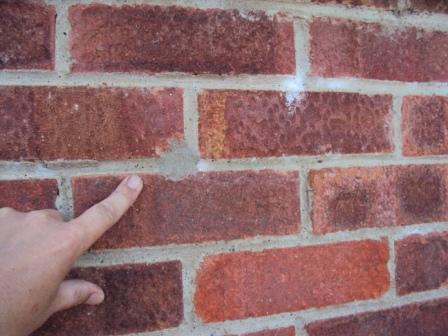
Cavity wall insulation is a common home improvement measure designed to improve energy efficiency and reduce heating costs. However, when installed incorrectly or if the materials degrade over time, it can lead to a range of health risks.
Understanding Cavity Wall Insulation
Before we delve into the health risks, let’s briefly understand what cavity wall insulation is. Cavity wall insulation involves filling the gap between the inner and outer walls of a property with insulating materials. This helps to reduce heat loss and lower energy bills.
However, if cavity wall insulation is not installed correctly or if the materials degrade, it can become ineffective and even cause problems.
Health Risks Associated with Faulty or Failed Insulation
1. Respiratory Problems
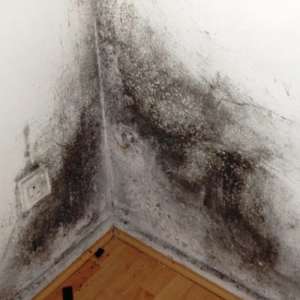
One of the most significant health risks associated with faulty or failed insulation is respiratory problems. Dampness and mold growth, often caused by ineffective insulation, can create a breeding ground for allergens and irritants. Exposure to these can trigger symptoms such as:
- Coughing
- Sneezing
- Wheezing
- Shortness of breath
- Chest tightness
- Irritation of the eyes, nose, and throat
These symptoms can be particularly severe for individuals with asthma, allergies, or other respiratory conditions.
2. Asthma Exacerbation
For people with asthma, exposure to mold and allergens can trigger asthma attacks or exacerbate existing symptoms. This can lead to significant discomfort and even hospitalization in severe cases.
3. Allergies
Individuals with allergies may experience heightened symptoms when exposed to allergens found in moldy environments. These symptoms can include:
- Runny nose
- Nasal congestion
- Itchy eyes
- Sneezing
4. Chronic Fatigue Syndrome
Some studies have linked exposure to mold and dampness with chronic fatigue syndrome. The toxins released by mold can affect the body’s immune system and lead to fatigue, cognitive difficulties, and other symptoms.
5. Headaches and Migraines
Exposure to mold toxins can also trigger headaches and migraines. These symptoms can significantly impact a person’s quality of life.
6. Skin Irritation
Direct contact with mold can cause skin irritation, such as rashes or hives.
7. Other Health Issues
In addition to the health problems mentioned above, exposure to mold and dampness has been linked to a variety of other health issues, including:
- Sinus infections
- Ear infections
- Gastrointestinal problems
- Neurological disorders
How to Detect Faulty or Failed Insulation
Recognizing the signs of faulty or failed insulation is crucial for addressing the underlying health risks. Here are some common indicators:
- Increased energy bills
- Cold spots or drafts
- Damp patches or mold growth
- Peeling wallpaper or blistered paint
- Musty smells
- Condensation
- Structural damage
If you notice any of these signs, it’s important to have your insulation inspected by a professional.
The Importance of Removing Faulty or Failed Insulation
Removing faulty or failed insulation is essential to mitigate the health risks associated with it. By addressing the underlying problem, you can improve the indoor air quality of your home and create a healthier living environment.
Here are some benefits of removing faulty or failed insulation:
- Improved indoor air quality
- Reduced risk of respiratory problems
- Reduced risk of allergies
- Improved comfort
- Reduced energy bills
Finding a Reputable Insulation Installer
If you decide to remove your faulty or failed insulation, it’s important to find a reputable insulation installer. Here are some tips for finding a qualified professional:
- Ask for recommendations from friends, family, or neighbour’s.
- Check online reviews.
- Make sure the installer is a member of a professional organization.
- Get written estimates from several installers.
- Ask about the installer’s experience and qualifications.
By following these tips, you can find a reliable insulation installer who can help you create a healthier and more comfortable home.
If you’re concerned about the health risks associated with faulty or failed insulation, don’t hesitate to contact Cavi Care for a free consultation.